


Best Kids Dentist in North Richland Hills Texas
Our experienced pediatric dentists offer a variety of treatments to help your child achieve and maintain excellent oral health. Galaxy family and pediatric dentistry goes above and beyond to ease any anxiety or fear your child may have so they can have an enjoyable and positive experience with the dentist.
Our focus is on preventative dental care to ensure your child grows up with a healthy smile that will last a lifetime. We welcome children of all ages, teens, and kids with special needs. If you are looking to learn more about dentistry for children we are happy to answer your questions; Keep reading to learn more, or give us a call today!
Special Needs Dentistry for Children
We understand that every child is different and may need extra care to feel comfortable during their dental visits. Children with special needs sometimes face unique dental challenges. Our pediatric specialists are here to help provide your child with the quality, individualized dental care they need in a comfortable and safe environment.
Sedation dentistry
What are the benefits of sedation dentistry?
Sedation dentistry is beneficial because it helps guests remain calm and comfortable throughout dental procedures. Your dentist can work faster when the patient is under sedation, resulting in fewer appointments. Many guests, whether children or adults, experience dental anxiety and avoid the dentist, but sedation dentistry helps the patient feel more comfortable while receiving care.
Are there side effects to pediatric sedation?
Sedation dentistry is safe for children, but as a parent, it is important to feel comfortable and prepared after your child's procedure. Sometimes the sedation effects can be slow to wear off. Should this be the case, your dentist will continue to monitor your child until they are ready to go home.
Child sedation side effects are short-lived and can include:
Snoring, Fever, Irritability, Nausea and vomiting.
These side effects are normal and should go away in a day or two. Our team members will be happy to assist you if you have any concerns.
Here are a few ways to prevent tooth decay for your child:
- Brush and floss daily
- Use fluoridated toothpaste
- Use an antibacterial mouthwash
- Take your child for regular dental checkups and cleanings; preventative care is essential for healthy gums and teeth
- Ask our Texas pediatric dentist about dental sealants which can prevent cavities and benefit tooth strengthening
- Chew sugar-free gum
- Limit your child’s intake of sugary foods and drinks
How Your Child’s Diet Affects the Health of Their Teeth?
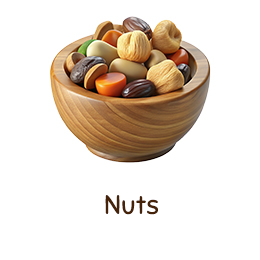
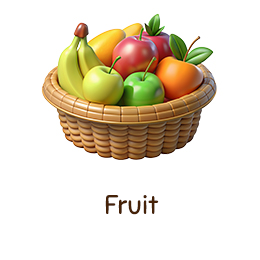
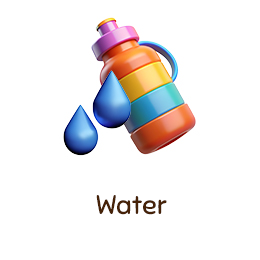
A balanced diet promotes good oral health. Your child’s teeth and gums become more susceptible to tooth decay and gum disease, and mouth tissue can find it hard to resist infection without proper nutrients.
Here are a few balanced diet options for your child:




Your Baby’s First Visit to the Dentist
We recommend scheduling your baby's first visit by their first birthday. This helps them get used to the dentist office in a happy, stress-free way.
Why Should My Child See a Pediatric Dentist Instead of Our Regular Family
Dentist?
Pediatric dentists undergo an additional 2–3 years of specialized, child-focused training after dental school to safely handle the emotional and physical milestones unique to growing smiles.
When Does My Child Require Orthodontic Screening?
An initial orthodontic screening is recommended around age 7, as this is when a mix of primary and permanent teeth allows us to spot any structural development concerns early.
How to Care for Your Infant’s Delicate Baby Teeth
As soon as teeth sprout, brush them gently twice daily with an infant-sized toothbrush and a small smear of fluoride toothpaste roughly the size of a single grain of rice.
Caring for Your Baby’s Gums
Even before teeth show up, wipe your infant's gums clean after feedings using a soft, clean, damp cloth or gauze pad to clear away leftover milk sugars and bacteria.
Your Baby’s First Teeth
Most babies begin teething around 6 months of age, usually starting with the lower central front teeth. Teething rings or clean chilled washcloths help relieve gum pressure.
Baby Bottle Tooth Decay (Early Childhood Cavities)
This happens when sugary liquids like milk or juice pool around a child's teeth for hours. To prevent it, avoid putting your baby to bed with a bottle containing anything other than water.
Can Thumb-Sucking Harm My Child’s Teeth?
Thumb-sucking is natural for infants, but if it continues past ages 4 or 5, it can lead to misaligned teeth, bite problems, and structural changes to the roof of the mouth.
When Should My Child Start Using Toothpaste?
Start using a tiny grain-of-rice smear of fluoride toothpaste as soon as the first tooth breaks through. Upgrade to a pea-sized amount once they reach age 3 and learn to spit it out.
How Do I Prevent My Child from Getting Cavities?
Prioritize brushing twice daily, clean between teeth with dental floss, limit snacks high in sugars/starches, and maintain bi-annual checkups with our pediatric dental team.